Transbronkiell kryobiopsi är överlägsen transbronkiell tångbiopsi när det gäller diagnostik vid idiopatisk interstitiell pneumoni och interstitiell lungsjukdom med känd orsak eller sammanhang.
Transbronkiell kryobiopsi är också en säker och effektiv metod att att diagnostisera avstötning efter lungtransplantation.
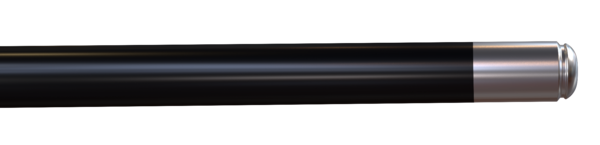
Med hjälp av kryosonden på 1,1 mm och skyddskatetern kan du extrahera biopsimaterial genom arbetskanalen på ett terapeutiskt bronkoskop (2,8 mm arbetskanal).
Application videos
This video requires your consent.
Transbronchial cryobiopsy with single-use cryoprobe
This video requires your consent.
Sampling of peripheral lung nodules with cryo – ERS Congress 2021
This video requires your consent.
Mediastinal cryobiopsy for lymphadenopathy – ERS Congress 2021
This video requires your consent.
Transbronchial cryobiopsy with rigid intubation for ILD diagnosis using flexible single-use cryoprobe and ERBECRYO® 2
This video requires your consent.
Removal of a lung tumor with monopolar snare, flexible single-use cryoprobe and APC
Vetenskaplig information
Medical insights ePaper
Transbronchial cryobiopsy for the diagnosis of interstitial lung diseases (ILDs). Current procedural guidance for interventional bronchoscopists according to the literature.
For idiopathic pulmonary fibrosis (IPF) and fibrotic hypersensitivity pneumonitis, recommendations have been made for TBCB over SLB. A lack of procedural standardization and high degree of interobserver variability between different institutions make it difficult to recommend TBCB over SLB in general. To this end, common questions on the application of Erbe flexible cryoprobes as an indispensable part of TBCB need to be addressed.
Transbronchial lung cryobiopsy (TBLC) for diagnosis of interstitial lung diseases (ILD). COLDICE study results and latest CHEST guidelines
Surgical lung biopsy (SLB) until now has been the gold standard recommended in different guidelines but is associated with significant morbidity, with complications including postoperative pneumothorax, pneumonia and respiratory failure, as well as significant mortality, indicated at 1.7 %. Given these risks and the often detrimental state of suspected ILD patients, reported SLB rates in ILD are lower than estimated necessary and in 2016 reached only 8 % in Europe. Consequently, transbronchial lung cryobiopsy (TBLC), a minimal invasive technique allowing biopsy without major surgery, is increasingly used in diagnosis of ILD. The COLDICE study (Cryobiopsy versus Open Lung biopsy in the Diagnosis of Interstitial lung disease) has addressed both approaches.
Transbronchial cryobiopsy for sampling of mediastinal lesions. Evaluation of transbronchial needle aspiration and the flexible single-use 1.1mm cryoprobe for sampling of mediastinal lesions
In their present publication Transbronchial mediastinal cryobiopsy in the diagnosis of mediastinal lesions: a randomised trial, the working groups from Thoraxklinik Heidelberg, Germany and Third Military Medical University Chongqing, People's Republic of China, assess the safety and efficacy of linear EBUS-guided transbronchial mediastinal cryobiopsy.
Prof. Venerino Poletti, head of the Department of Respiratory and Chest Diseases at the Ospedale G.B. Morgagni in Forli and Dr. Hari Kishan Gonuguntla, lead consultant Interventional Pulmonologist at the Yashoda Hospital in Secunderabad: Transbronchial cryobiopsy of mediastinal lymph nodes
Both currently recommend transbronchial mediastinal cryobiopsy to any bronchoscopist who has experience and confidence in performing the EBUS-TBNA. In cases of granulomatous and lymphoproliferative diseases, the features of biopsy specimens procured using this technique can prove to have advantages over those provided by needle biopsy. Dr. Hari Kishan: „My pathologist's reaction to this first samples, especially when it comes to malignant nodes or metastatic disease. They'll be more happy because size is a very big advantage here. We definitely get more samples than the conventional needles, but we have to see being TB endemic country how this technology evolves.“ Prof. Poletti: „I think that cryotechnology is used to avoid bleeding or to control bleeding. We have bleeding when we have biopsy in the peripheral of the lung, because you tear the bronchial artery or the pulmonary veins or the pulmonary artery, but in the mediastinal lesions. First of all, you can control the best colorization by ultrasound and then usually biopsy, not in area where you have large vessels. I think it's very easy to have a very low rate of bleeding in this context.“